
If you press PLAY, I will read my words to you!
Soil for Medicine, Food & Soul
An Article for Earth-Minded Folk
By Chip Van Hassel
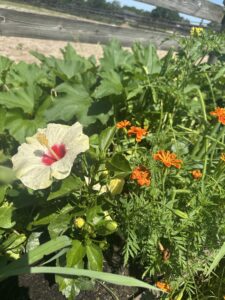
Throughout the years, I have lived many places. I have always built vegetable and medicine gardens in those places.
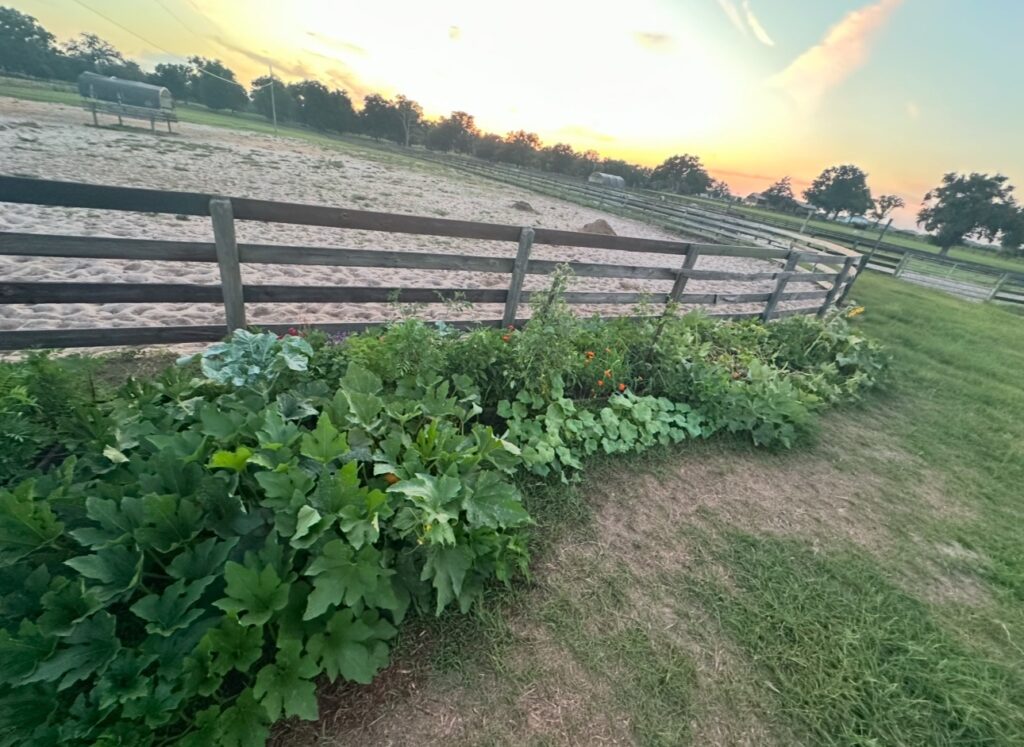
I start off by creating my own soil. To do that, I mix all of my daily food scraps and many, many other ingredients.
From Poop To Plate
I am not an essetric hippie or some new-age, spiritual freak. I am, however, viewed as extremely strange and crazy because of my daily habits! Regardless, my practices were considered to be normal behavior a hundred years ago, (when growing your own food was necessary and normal,) so I continue to practice my own ways, which are the ways of olde.
I practice a specific method, I call, “From Poop to Plate”.
Turning This:
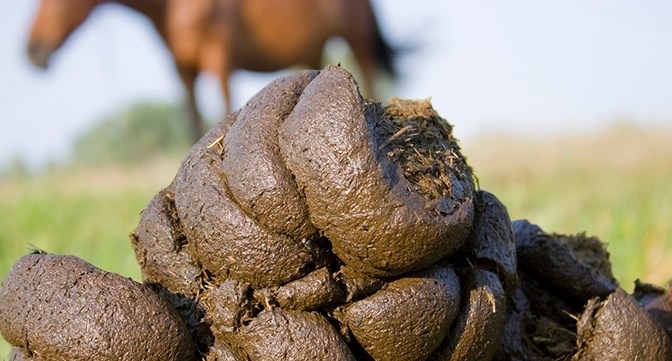
Photo Source
Into This:
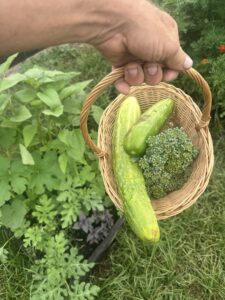
By Composting This:
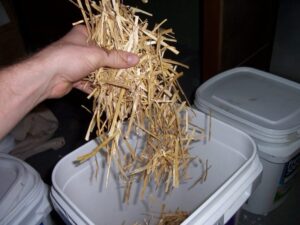
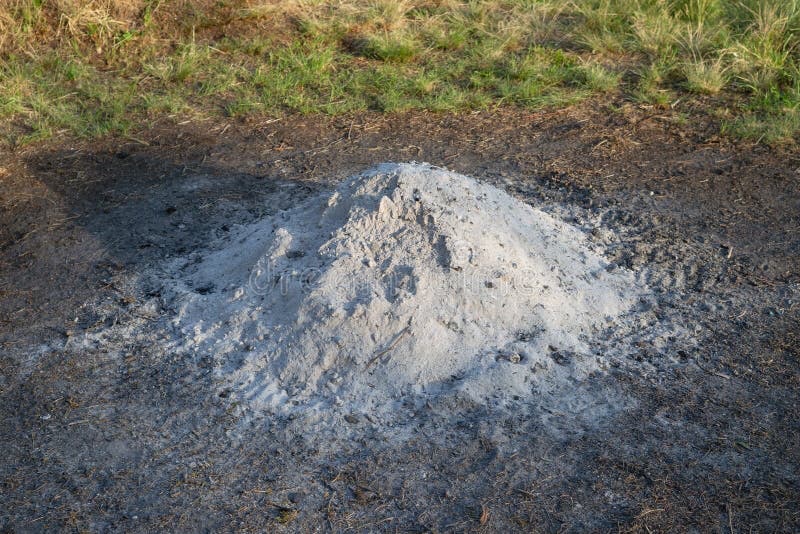
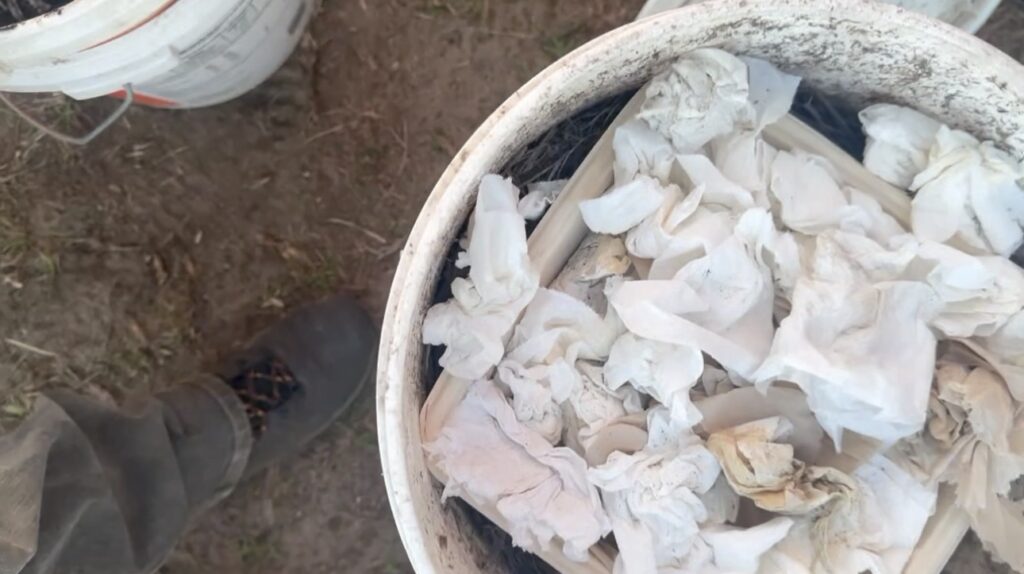
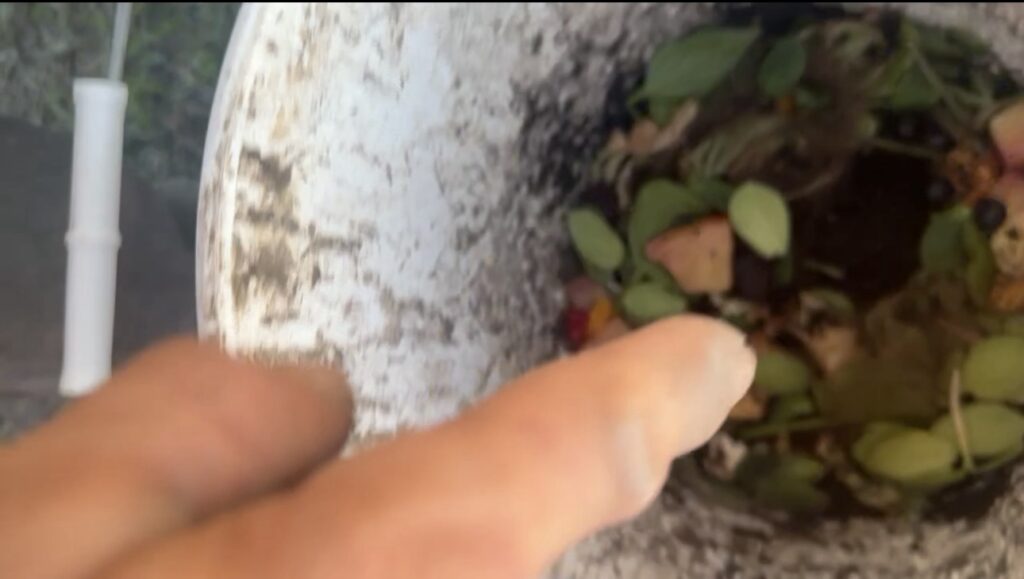
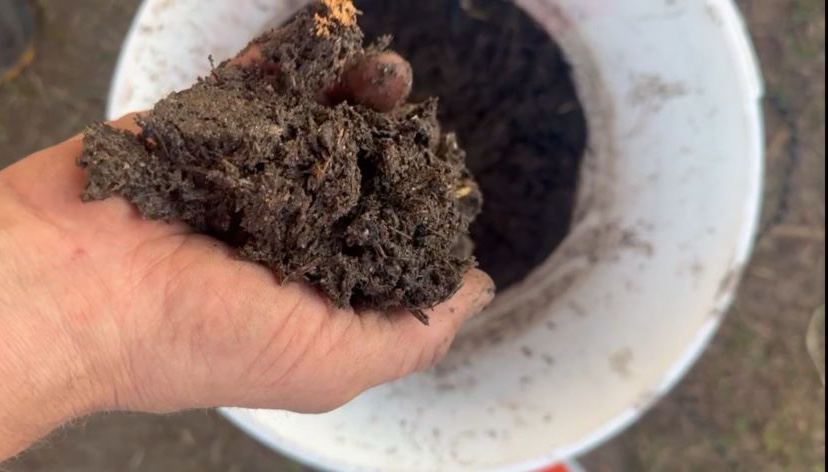
Into This:
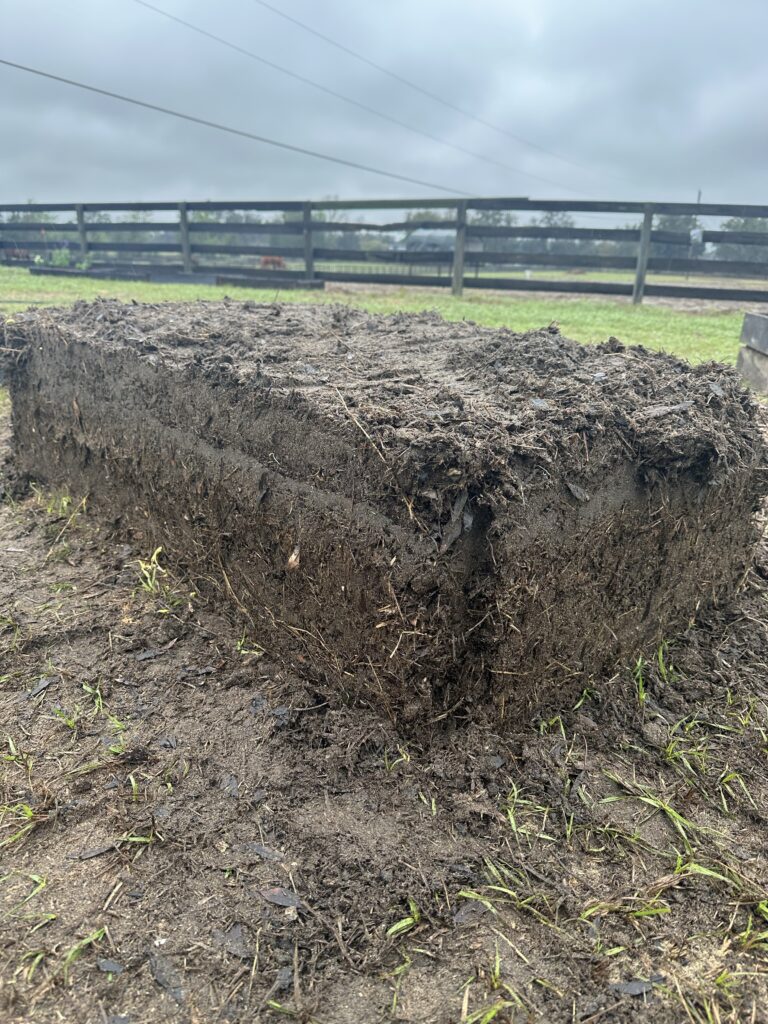
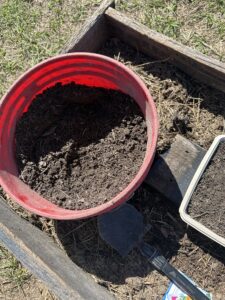
And Growing This:
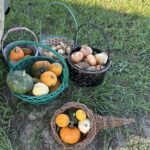
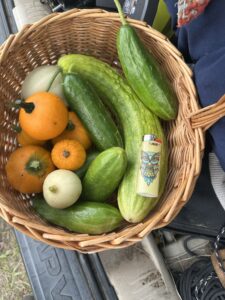
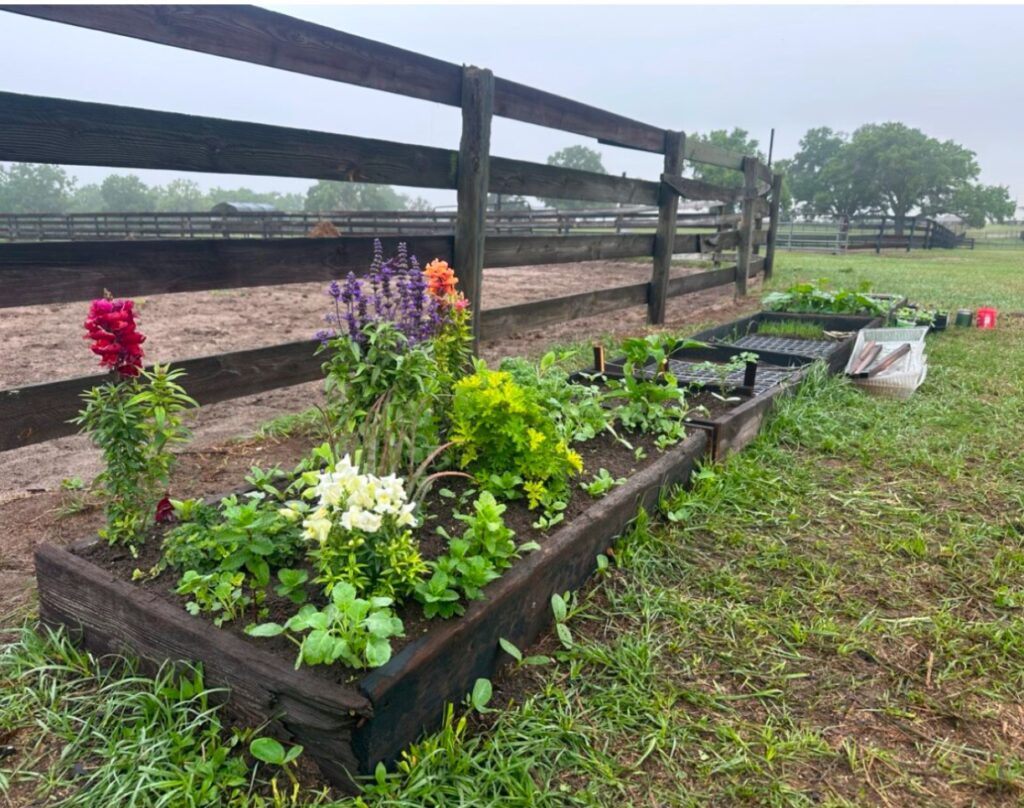
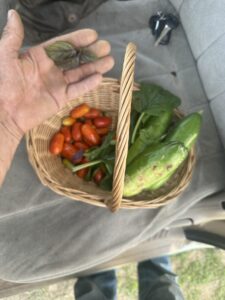
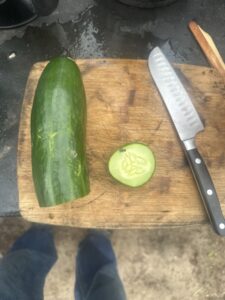

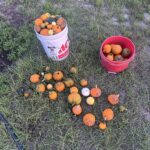
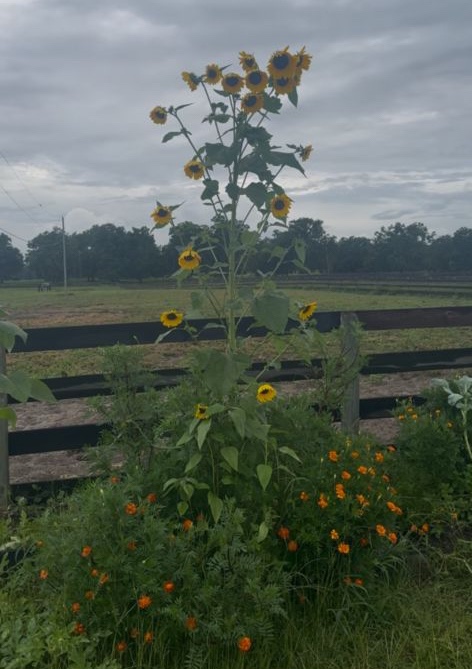
My Method Has Conquered The Test Of Time.
The Process
Here’s How:
-Creating Black Gold.-
Quick video of beginning the Process:
Where Does Creating Soil Begin?
- Daily Habits.
What Daily Habits make you a good Steward of the Land?
- Saving ALL of your daily food scraps and Composting them
- Farming and Maintaining your compost collection
- Delayed Gratification (Always keeping the future in mind)
I have always saved my coffee grinds, eggshells, food scraps and even used tissues! Why? Because, …
Here is a step-by-step guide to how I created this soil. If you press PLAY below, I will read my words to you!
One man’s garbage is another man’s sunflower!
Step by Step Guide To Creating Black Gold
Organic Composting Process
How It All Started
Building Frames
Organic Material
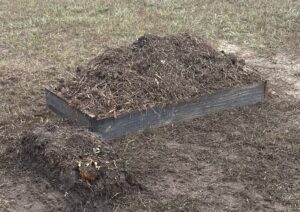
I built a frame using broken fence boards and filled it with horse manure, cow manure, dog poop, bat guano, grass clippings, eggshells, coffee grinds, a lot of ash, food scraps, tissues, paper products, leaves and (some) sand.
As I filled it, I added water while mixing the manure, leaves and grass clippings and leveled it until the mixture had reached the top.
I built more frames and stacked them as I continued to fill, water, level and repeat.

The “Flipping Process”:

Air
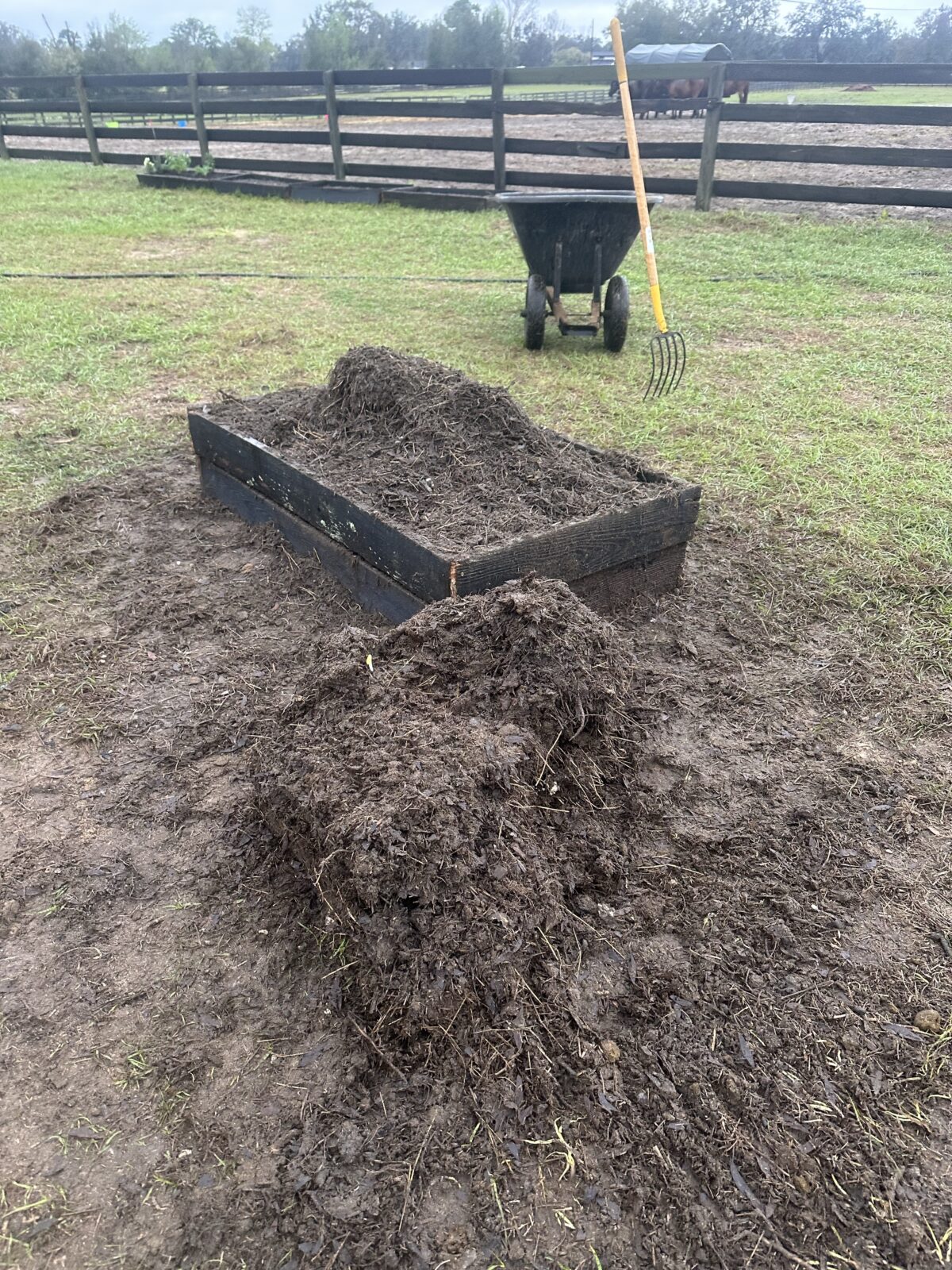
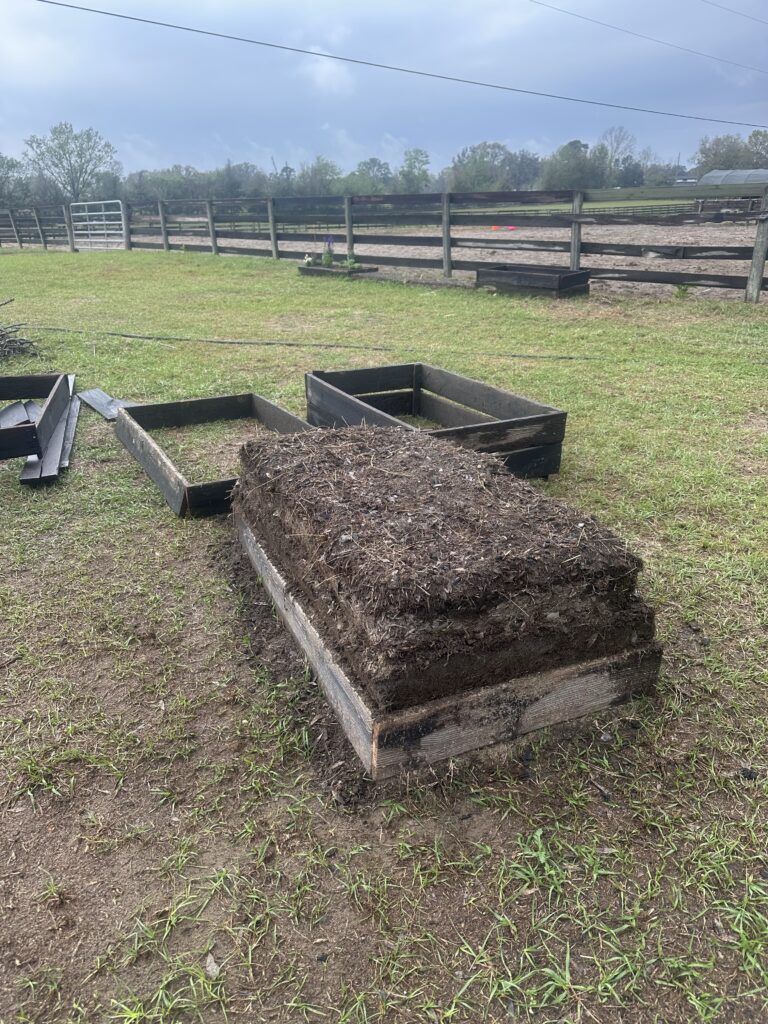
After a couple days of watering, aerating, (poking holes in the pile, using a pitchfork, to allow for air circulation,) allowing the pile to bake in the sun, I removed the wood frame, stacked it next to the pile; then, flipped the pile into the frame in it’s new location using a pitchfork.

Effort
I repeated this, “Flipping Process.” two more times over the next nine days.
After letting the compost pile sit exposed to the sun and the wind for the next two days, I built a slightly larger compost box and flipped the compost in to it, mixing-in more (a Lot of,) ash.
Delayed Gratification
The next step in the composting process is to allow the pile to soak in the sun for a minimum of 33 days. After that duration, the compost will be ready for a final flip, ensuring a uniform moisture content level.
It may even be used as gardening soil at this point, ready to go!
Nitrogen
In the beginning of that 33 day period, the nitrogen content of the pile should be relatively high in comparison to the soil of the earth or in potting soil. This high nitrogen content aids in raising the pile’s temperature, in concert with anaerobic activity.
Temperature
This raising in temperature is key to the composting process. If you ever see steam coming off of your compost pile early in the morning, you know that you are on the road paved with Black Gold!
Time
I, then, removed the wood frames by lifting them up and over the pile and used them to create raised garden beds.

Anaerobic Activity:
Definition of “Anaerobic”:
processes of organisms which occur in the absence of free oxygen.
The term is derived from Greek, where “an-” means “without,” “aer” means “air,” and “bios” means “life.”
It is important to be mindful of the anaerobic activity within the pile which is the result of many factors, including compression from the weight, material porousness, along with the sealing affect which water creates.
Aerating the pile as you fill it, and on a regulated basis as time passes, is essential to utilizing that anaerobic activity to it’s fullest!
- Anaerobic activity is a key component to composting;
- however, when that activity becomes septic, it is no longer an asset, but a crippling liability! … it will ruin all the effort and time employed!

When You’re Done With the First One, Begin the Second One!
Now, time to begin building another one! It is optimal to have at least three of these piles going at once. That way, you have one pile to plant with in the spring through the middle of summer. You have one box for late summer through fall, and the third box is one you let sit the longest for next spring’s planting. As you use the material from bins one and two, begin the process over with those, so that you have a perpetual cycle going. That way, in two years’ time, pile number three will have been composting for over twelve months before being used and, therefore, will be some powerful, black gold!
Here is a quick video:
Another good example:
Laying-out Garden Beds
I Turned This:
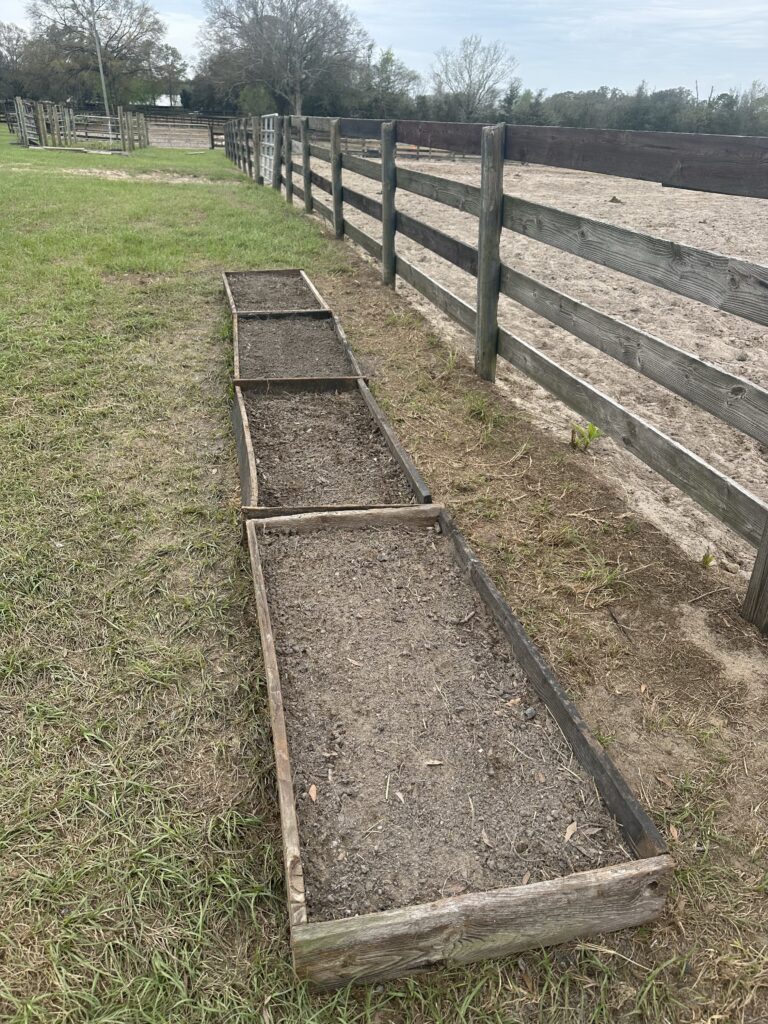
Into This:
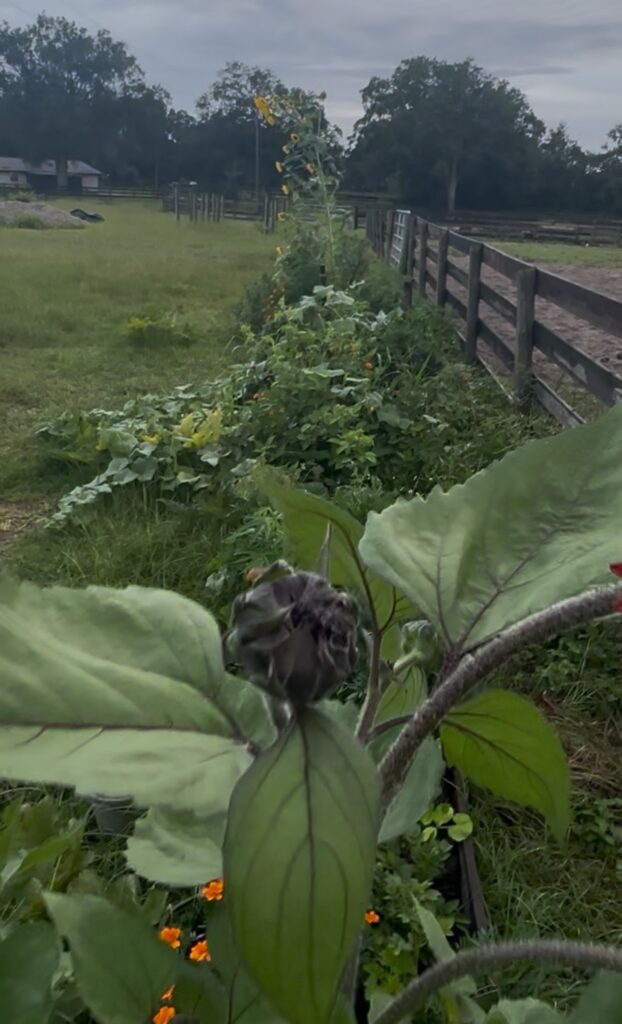
Here is a video of that:
Chip Van Hassel